
Homebuyers & Their Community
Selling Community Association Homes
Help Your Clients Know What They're Buying Into
Community association living is increasingly common in Utah. Your clients need to understand what they're buying into. A well-informed buyer is a confident buyer, and a confident buyer closes faster and stays satisfied with their purchase.
When you can articulate the benefits of community living and address concerns upfront, you position yourself as a trusted advisor who goes beyond the listing. This builds loyalty and generates referrals.
How Community Associations Work
Community associations—whether called homeowner associations, condominium associations, or property owner associations—operate as private, nonprofit organizations. All property owners are automatically members with certain rights, privileges and obligations.
The primary responsibility of the association is to protect homeowners' investments and maintain property values. They do this by maintaining common areas (grounds, parking, private streets, landscaping, recreational facilities) and enforcing rules that preserve the community aesthetic and quality of life.
Three Key Features That Set HOAs Apart
From Developer to Owner Control
When a community is first built, the developer typically appoints the initial board and manages operations. After the last home sells, a turnover meeting occurs (usually within 90 days) where homeowners elect their first board. This transition is critical as it's when the community shifts from developer control to resident control.
Your clients should understand: if they're buying in a newer community, the developer may still be in control. If they're buying in an established community, homeowners are already running things. Either way, they'll have a voice in decisions.
What Realtors Need to Know
Ownership Structure Varies
In a typical subdivision, the association owns common facilities. In a condominium, each resident holds title to an individual interest in the common facilities. In a non-condominium association, the unit owner also owns the lot their house sits on.
This matters because it affects what your clients own, what they're responsible for maintaining, and what they're paying for. Always clarify this with your clients early in the process.

Community Management Options
Associations can be managed in different ways. Talk to your clients about what management style they prefer. Some buyers want professional oversight; others prefer the personal touch of volunteer-run communities.
The Board's Role
The elected board sets policy, directs association affairs, and oversees management. Board members serve voluntarily and have a fiduciary responsibility to the community. They're not paid, but they're trusted with significant decisions about budgets, assessments, and community standards.
Your clients should know they can attend board meetings and participate in decisions. This is their opportunity to stay informed and have a say in their community.
Governing Documents: Your Disclosure Checklist
Before your clients make an offer, they need to review the association's governing documents. These are non-negotiable disclosures. Make sure your clients understand what they're reading and what it means for them.
The Four Essential Documents

What to Highlight for Your Clients
Review the CC&Rs together. Point out:
- What maintenance is the association's responsibility vs. the homeowner's responsibility
- Pet policies and restrictions
- Rental restrictions (especially short-term rentals like Airbnb)
- Architectural control guidelines (what they can and can't change on their home)
- Assessment payment terms and what happens if they don't pay
- Any special assessments or planned improvements
If your clients don't understand something, encourage them to ask the association or consult an attorney. This is their investment and they need to be fully informed.
Financial Responsibilities & Assessments
What Are Assessments?
Assessments, also called dues or maintenance fees, are regular payments (usually monthly) that cover the cost of maintaining common areas and managing the association. These are mandatory, not optional.
Your clients need to factor assessments into their total monthly housing costs, just like property taxes and insurance. A $200/month assessment adds $2,400/year to their housing expenses.
How Are Assessments Determined?
The board sets assessments based on an annual budget that covers:
- Maintenance and operation of common areas
- Management and administrative costs
- Insurance for common property
- Reserve fund contributions (for future major repairs)
Assessments typically increase over time as maintenance costs and inflation rise. Help your clients understand this is normal and expected.


Reserve Funds
A well-managed association sets aside money each year for large future expenses like roof replacements, road repairs, and amenity upgrades. This is called the reserve fund.
A healthy reserve fund is a sign of good financial management. It reduces the likelihood of surprise special assessments and keeps the community stable. Ask the association about their reserve funding level as this percentage is a good indicator of financial health.
Red Flags to Watch For
- Significantly deferred maintenance
- Underfunded reserves
- History of special assessments
- High turnover of board members or management companies
- Pending lawsuits or major disputes
- Consistently high vacancy rates
If you spot red flags, discuss them with your clients. They may want to request a professional reserve study or get legal review before proceeding.
Insurance Considerations
What the Association Covers
Homeowner's insurance is essential. It protects against personal losses and liability. In condominiums and townhomes, the coverage needed may be different than traditional single-family homes because the association covers some structural elements.
Recommend your clients work with an insurance agent who specializes in community associations. This ensures their personal policy complements the master policy without gaps or unnecessary overlap.
What Your Clients Need
The association maintains a master insurance policy that covers common property such as recreational facilities, fences, parking lots, landscaping, and shared structures. This protects the community as a whole.
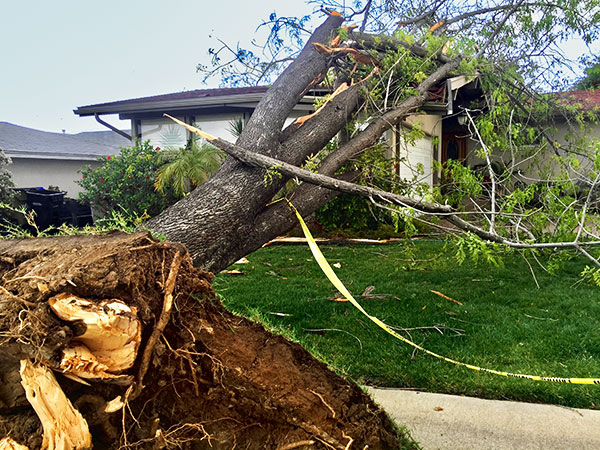
However, the master policy typically does NOT cover individual homes, personal possessions, or temporary housing. Your clients need their own homeowner's insurance.
Important Caveat
If the association's master policy is inadequate to cover a major loss (like a clubhouse fire), members may have to pay the difference collectively through special assessments. This is rare but possible. Your clients should be aware of this risk.
Design Review & Architectural Control
Most HOAs have design review (also called architectural control) guidelines that specify what homeowners can and can't do to the exterior of their homes. This includes paint colors, landscaping, fences, decks, window treatments, and other visible changes.
This isn't about stifling creativity. It's about maintaining the community aesthetic and protecting property values. It also protects your clients from situations where a neighbor makes changes that negatively affect the neighborhood.
What Your Clients Should Know
Most associations require approval before making exterior changes. The process typically involves submitting plans to a design review committee, which approves or denies the request based on guidelines.
In townhome and condominium communities, exterior alteration options are often very limited. In single-family subdivisions, there's usually more flexibility.
Make sure your clients review the architectural guidelines before they fall in love with a home. If they're planning specific exterior changes, verify they'll be allowed.

Leasing Restrictions

What Your Clients Should Know
If your clients think they might lease their home in the future, they need to understand the association's leasing policy before they buy.
Some associations allow leasing with minimal restrictions. Others limit the number of rentals or require approval. Many prohibit short-term rentals (Airbnb, VRBO) unless specifically allowed by local law.
Key Points to Discuss
- Can they lease at all, or is the community owner-occupied only?
- Are there restrictions on lease length or frequency?
- Do they need association approval before leasing?
- Are short-term rentals allowed?
- What happens if their tenant violates association rules?
Important: Owners are ultimately responsible for fines and costs incurred by their tenants. If a client is considering investment properties, this is a critical conversation.
Helping Clients Get Involved
The success of a community association depends on resident involvement. Apathy is the biggest challenge association leaders face. When residents engage—whether by paying assessments on time, attending meetings, or volunteering—the community thrives.
What Your Clients Can Do
- Pay assessments on time
- Stay compliant with association rules
- Vote in annual board elections
- Attend annual meetings (or sign a proxy form)
- Attend board meetings to stay informed
- Volunteer for committees
- Participate in community events
- Read association communications
Encourage your clients to get involved early. It's a great way to meet neighbors, understand how the community operates, and have a voice in decisions that affect their investment.

Your Role in the Transition
Before the Offer
Educate your clients about living in an HOA community. Explain what assessments cover, what governing documents mean, and what to expect. Help them understand this is a different type of homeownership than a traditional single-family home on a large lot.
Request and review all governing documents. Flag any concerns or unusual restrictions. If something doesn't make sense, ask the association or consult an attorney.
Get a copy of the most recent financial statements and reserve study. These reveal the community's financial health.
During the Offer
Make HOA document review a contingency. Your clients should have time to review and understand everything before committing.
Request all available documentation from the association. Confirm current assessments, any special assessments planned, and compliance status.
At Closing
Ensure your clients receive all governing documents and understand their obligations.
Confirm they know who to contact with questions and how to pay assessments.
Encourage them to attend their first board meeting to meet neighbors and learn how the community operates.
After the Sale
Follow up with your clients a few weeks after closing. Ask how they're settling in and if they have questions about the HOA. This builds loyalty and positions you as a trusted advisor.
Refer them to HOALiving or other community association resources if they need more information or want to get involved.
Pro Tip For Your Clients
Get Involved with Your Community from Day One.
Attending a board meeting before closing is one of the smartest moves your buyers can make. It gives them a real window into how the community operates, what issues matter to residents, and get a genuine feel for the neighborhood. Once they move in, encourage them to stay engaged. Stronger communities mean better property values and a better quality of life for everyone.
More HOA Home Selling Resources
Questions? Reach Out.
"*" indicates required fields

Shane Toponce
(385) 695-6673 direct