
Real Talk
Reserves for Realtors
Your Guide to Explaining One of the Most Important HOA Metrics to Your Clients
HOA reserves are funds that a homeowners association sets aside each year to pay for major repairs and replacements of common property. Think of them as a "rainy day fund" for the community.
How Reserves Work
Each month, the HOA collects a portion of homeowners' monthly assessments and deposits it into a reserve account. This money sits in the account until a major repair or replacement is needed. Without adequate reserves, the HOA would need to impose special assessments on homeowners to cover unexpected costs—which can be expensive and disruptive.
Common items funded by reserves include:
- Roof replacement
- Parking lot resurfacing or repair
- Exterior painting
- HVAC system replacement
- Pool equipment and repairs
- Siding or structural repairs
- Fence replacement
- Common area landscaping overhauls
- Elevator maintenance and repair
- Plumbing or electrical system upgrades
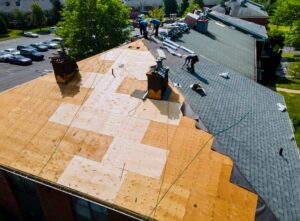
Reserve Example
A community's roof needs replacement in 5 years at a cost of $500,000.
How to Pay
- If the HOA has been setting aside $8,000 per month in reserves, they'll have $480,000 saved when the time comes.
- If reserves are underfunded, homeowners might face a special assessment of $5,000-$10,000 per unit to cover the shortfall.
What is the Law?
Reserve requirements vary significantly by state. There is no federal law governing HOA reserves—each state sets its own rules.
Some states require HOAs to maintain reserves at a specific funding level (typically 70-100%). Others require only that reserves be studied and disclosed. A few states have minimal reserve requirements.
Utah requires HOAs to conduct reserve studies and disclose reserve funding status to prospective buyers.
What Your State Requires
As a Realtor, you should know your state's specific reserve requirements. This information is typically available through:
- Your state's HOA regulatory agency
- Your state's real estate commission
- Your local Realtor association
- The HOA's management company

Disclosure Requirements
Most states require HOAs to disclose reserve funding status to prospective buyers. This is typically done through:
Your Role
Ensure your clients receive and review these documents before making an offer. If the HOA doesn't provide them, this is a red flag.
What is Healthy?
A healthy reserve fund is one that is adequately funded to cover major repairs and replacements without requiring special assessments.
The Industry Standard: 70-100% Funding
Most HOA professionals recommend that reserves be funded at 70-100% of the fully funded reserve balance. This means:
- 70% funded: The HOA has set aside 70% of what it would need to fully replace all major components today.
- 100% funded: The HOA has set aside enough to fully replace all major components today.
What This Means for Your Clients

Red Flags
Underfunded and aging components
If reserves are below 50% funded AND the roof, parking lot, or other major systems are 15+ years old, expect special assessments soon.
Vague reserve information
If the HOA can't clearly explain its reserve funding level or strategy, this is a warning sign.
Rapidly declining reserves
If reserves are dropping year-over-year without explanation, major expenses may be coming.
No reserve study
If the HOA hasn't commissioned a professional reserve study, you can't accurately assess the community's financial health.
Why are Reserves Needed?
Reserves are essential for protecting your clients' investment and ensuring the long-term stability of the community.

Questions to Ask the HOA
What is the current reserve funding percentage?
When was the last reserve study conducted?
Are there any planned special assessments in the next 5 years?
What major systems are approaching the end of their useful life?
How has the reserve funding level changed over the past 3 years?
What is the HOA's reserve funding policy?
Are there any pending repairs or replacements that will impact reserves?
How is the reserve account invested, and what is the expected return?

Pro Tip For Your Clients
Reserves are one of the most important indicators of an HOA's financial health.
By understanding reserves and helping your clients evaluate them, you're providing invaluable guidance that protects their investment and ensures they make informed decisions. A community with adequate reserves is a community where your clients can buy with confidence.
More HOA Home Selling Resources
Questions? Reach Out.
"*" indicates required fields

Shane Toponce
(385) 695-6673 direct